

Last Updated: November 15, 2026
Quick Summary
The best FFP scope for PRS matches is the Athlon Cronus BTR Gen2 4.5-29x56 APRS6, which pairs UHD extra-low dispersion glass with a 34mm tube and 0.1 MIL clicks. Its 4.5-29x range covers close and far targets, and the APRS6 illuminated MIL reticle is built for precision work at distance.
- The Cronus BTR Gen2 is the priciest scope on the list at $2,309.99 and weighs 2.24 lbs.
- The Helos BTR Gen2 6-24x56 costs $974.99 and shares the APRS6 MIL reticle with the flagship.
- The Argos BTR Gen3 8-34x56 is the budget pick at $644.99 with a 30mm tube and 1/4 MOA clicks.
- The Midas TAC Gen2 HD 5-30x56 at $1,074.99 suits shooters who prefer MOA and want HD glass.
- For 1,000-yard-plus work, the Midas TAC 5-25x56 offers 0.1 MIL clicks in the APRS3 reticle at $768.74.
Table of Contents
- How We Chose and Tested the Best FFP Scopes for PRS Matches
- Quick Comparison: Top FFP Scopes for PRS
- 1. Athlon Optics Cronus BTR Gen2 4.5-29x56 APRS6 FFP IR MIL
- 2. Athlon Optics Midas TAC GEN2 HD 5-30x56 APLR16 FFP IR MOA
- 3. Athlon Optics Helos BTR GEN2 6-24x56 APRS6 FFP IR MIL
- The Best Budget PRS Scope: Athlon Argos BTR GEN3 8-34x56
- PRS Scopes: What the Pros Use and Why It Matters
- Best Long Range Rifle Scopes 1000 Yards Plus: Athlon Midas TAC 5-25x56
- Vortex PRS Scope vs. Athlon: What to Know Before You Buy
- FFP vs. SFP, Reticles, and Magnification: Choosing for PRS Stages
- Frequently Asked Questions
How We Chose and Tested the Best FFP Scopes for PRS Matches
The best FFP scope for PRS matches defines the FFP scope for PRS that lets you find, range, hold, and engage steel across a full match day without second-guessing it. We built this shortlist around a transparent, repeatable method so you can separate measured behavior from marketing copy.
Sample selection. We start with the first focal plane scopes in the Elcas Tactical lineup, which are built for PRS work: FFP construction, exposed elevation and windage turrets, and a reticle with usable wind holds. The scopes we carry range from $644.99 to $2,309.99.
What we check. Scopes are evaluated on the features that matter for PRS work.
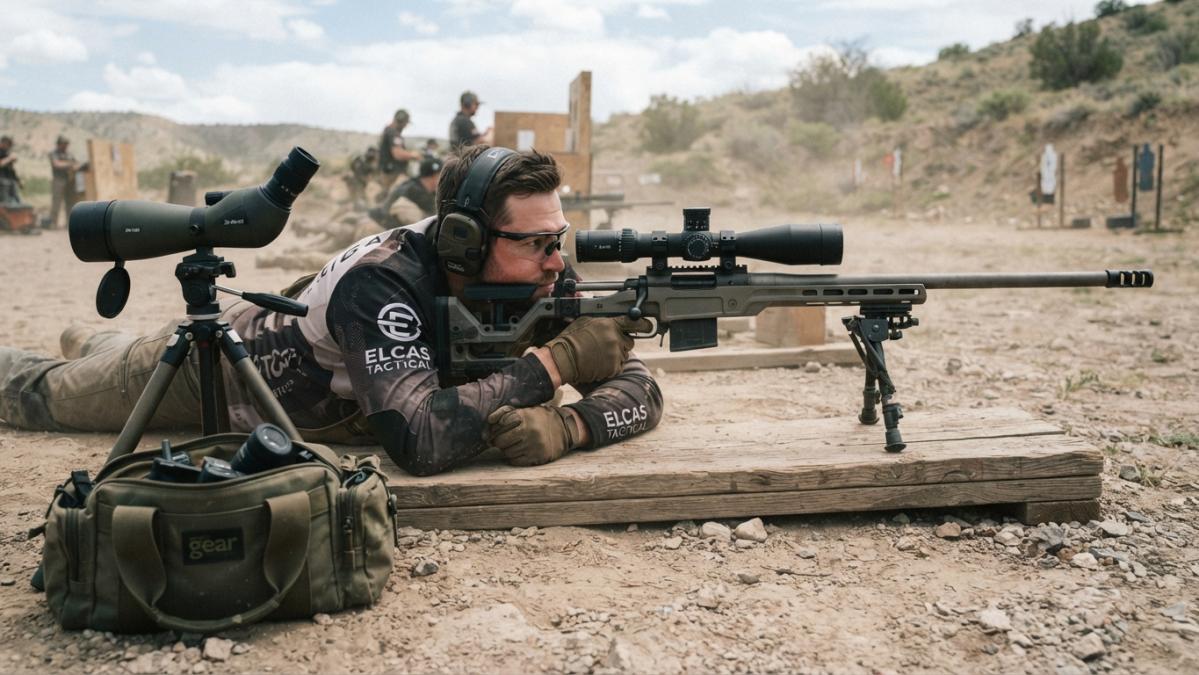
Quick Comparison: Top FFP Scopes for PRS
The table below maps our picks to magnification, focal plane, reticle, click value, tube size, and price so you can compare at a glance before reading the detail. Every scope here is first focal plane, because that is the baseline for PRS work.
| Scope | Magnification | Reticle | Click Value | Tube | Price |
|---|---|---|---|---|---|
| Cronus BTR Gen2 4.5-29x56 APRS6 | 4.5-29x | APRS6 FFP IR MIL | 0.1 MIL | 34mm | $2,309.99 |
| Midas TAC Gen2 HD 5-30x56 APLR16 | 5-30x | APLR16 FFP IR MOA | 1/4 MOA | 34mm | $1,074.99 |
| Helos BTR Gen2 6-24x56 APRS6 | 6-24x | APRS6 FFP IR MIL | 0.1 MIL | 34mm | $974.99 |
| Argos BTR Gen3 8-34x56 APLR11 | 8-34x | APLR11 FFP IR MOA | 1/4 MOA | 30mm | $644.99 |
Magnification
1. Athlon Optics Cronus BTR Gen2 4.5-29x56 APRS6 FFP IR MIL
The Cronus BTR Gen2 4.5-29x56 with the APRS6 illuminated MIL reticle is a PRS-oriented option. It pairs UHD extra-low dispersion glass with a 34mm tube and 0.1 MIL click values, The APRS6 illuminated MIL reticle is designed for precision work at distance.
The Gen2 turret design uses an internal stainless-steel component that produces sharp, loud, tactile clicks. The 4.5-29x range covers wide field-of-view work through far-target engagement.
Best for: competitors who want one scope for match day and precision hunting. Skip if: you are building a first PRS rifle on a tight budget.
Pros and Cons
Pros:
- UHD extra-low dispersion glass
- Stainless-steel turrets with sharp, audible clicks
- 34mm tube and 0.1 MIL clicks match PRS dialing habits
- Versatile 4.5-29x magnification range
Cons:
- At $2,309.99 it is the priciest scope on this list
- 2.24 lbs adds noticeable weight to a light build
If you want to check the exact configuration and price, you can view the Cronus BTR Gen2 APRS6 FFP IR MIL on our site.
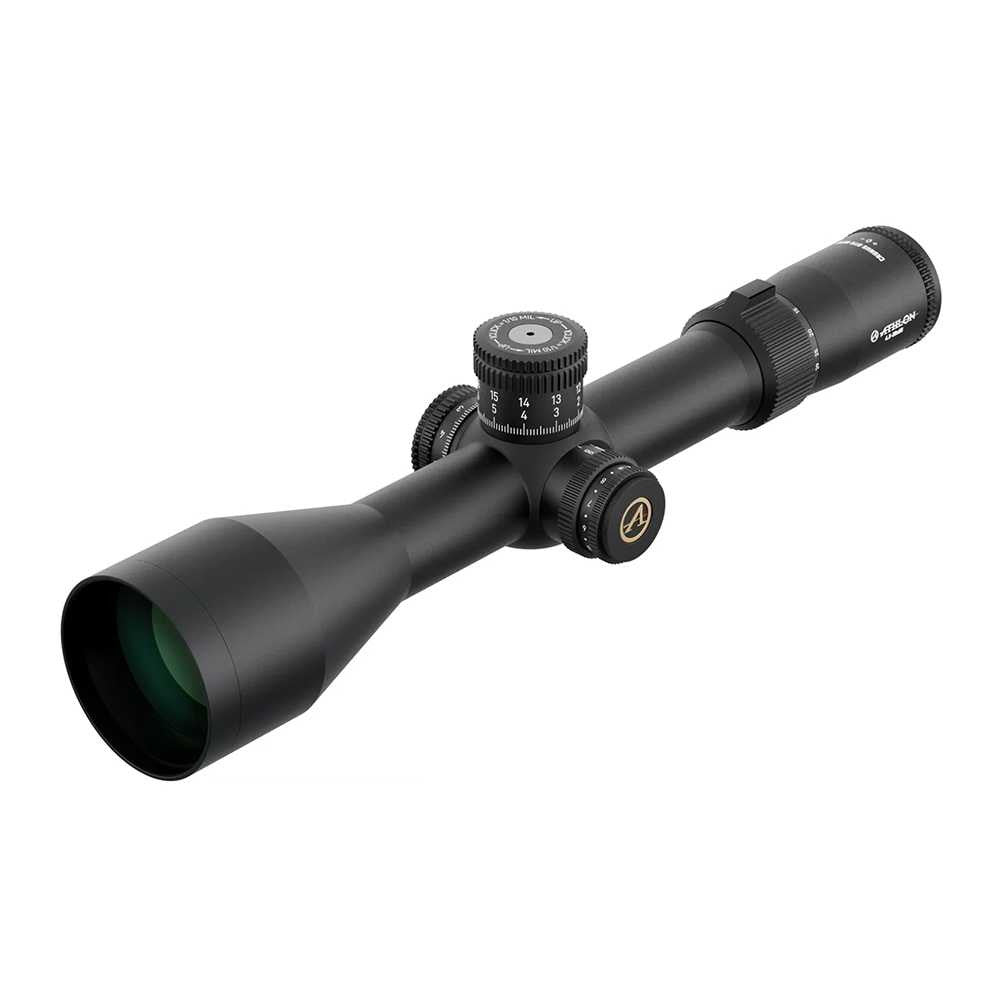
2. Athlon Optics Midas TAC GEN2 HD 5-30x56 APLR16 FFP IR MOA
The Midas TAC Gen2 HD 5-30x56 is a mid-tier option at $1,074.99 for shooters who want HD glass without the flagship price. It delivers 5-30x magnification, a 56mm objective, and high-definition glass that stays bright across the range. The APLR16 illuminated reticle sits in the first focal plane, so holdovers stay true as you zoom.
The 34mm tube gives more internal adjustment range for dialing distance. Exposed turrets use 1/4 MOA clicks, making this a natural choice if you think in MOA.
Best for: shooters who prefer MOA and want strong glass at a mid-tier price. Skip if: you run a strict MIL-only setup across all your rifles.
Pros and Cons
Pros:
- HD glass with strong light transmission
- 34mm tube for generous adjustment range
- APLR16 illuminated FFP reticle
- 5-30x covers match and load-work needs
Cons:
- 1/4 MOA clicks are coarser than 0.1 MIL
- Heavier than a 30mm-tube alternative
Ready to compare specs? You can see the Midas TAC Gen2 HD 5-30x56 in full detail.
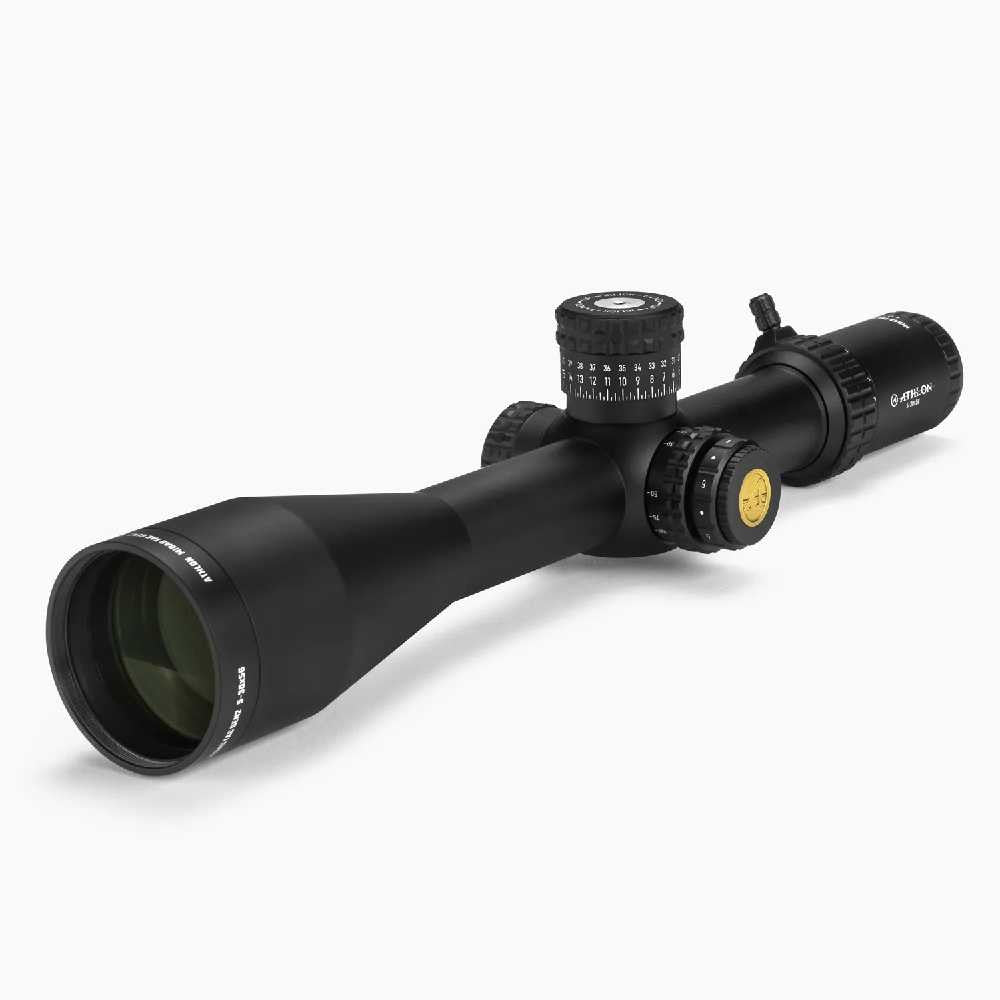
3. Athlon Optics Helos BTR GEN2 6-24x56 APRS6 FFP IR MIL
The Helos BTR Gen2 6-24x56 is priced at $974.99 and shares the APRS6 illuminated MIL reticle and 0.1 MIL click values of the Cronus. It shares the APRS6 illuminated MIL reticle and 0.1 MIL click values with the flagship, but trims magnification to 6-24x at $974.99, the same wind-hold reticle logic at a much lower price.
The 34mm tube and exposed turrets allow elevation adjustment, and the 56mm objective is listed as an element of the design. It has a narrower magnification range than the Cronus,
Best for: PRS shooters who want APRS6 reticle performance on a mid-range budget. Skip if: you need maximum low-end field of view for fast positional stages.
Pros and Cons
Pros:
- Same APRS6 MIL reticle as the flagship
- 0.1 MIL clicks and 34mm tube
- Strong price-to-performance ratio
- Illuminated reticle for low light
Cons:
- 6x low end is tighter than 4.5x for close work
- Glass is a step below the Cronus
You can check the Helos BTR Gen2 6-24x56 to confirm the reticle and specs.
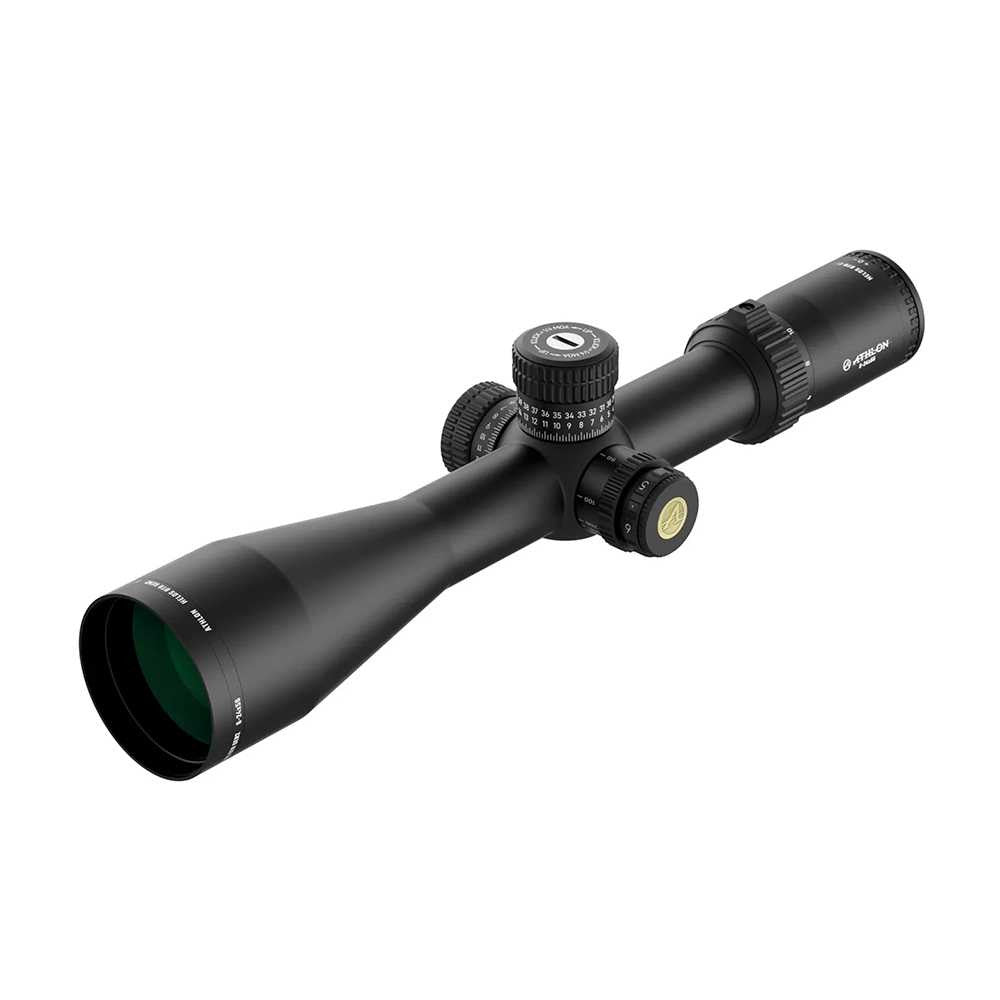
The Best Budget PRS Scope: Athlon Argos BTR GEN3 8-34x56
The Argos BTR Gen3 8-34x56 is priced at $644.99 and offers first focal plane construction, an illuminated APLR11 MOA reticle, and a 56mm objective.
The 8-34x range is oriented toward long-range work. The scope uses a 30mm tube and exposed turrets with 1/4 MOA clicks.
Best for: new PRS shooters and budget builds that still need FFP. Skip if: you shoot stages with fast, close targets where 8x is too much magnification.
PRS Scopes: What the Pros Use and Why It Matters
When choosing a PRS scope, the useful question is what your division and stage mix require.
Start with your division, because the rules shape the optic. Read the current rulebook for your specific match series before you shop, because equipment limits can change.
Magnification is a stage tool, not a spec to maximize. Magnification range is a matter of how you shoot. A wider range such as 4.5-29x offers more flexibility across close and distant targets than a narrower range such as 6-24x.
The reticle should match how you call wind. A Christmas-tree grid lets you hold for wind and drop without dialing. A busy reticle with fine subtensions can be harder to read than a simpler holdover reticle. MIL and MOA are both fine; pick one system and stay consistent across your rifles so holds and turret clicks speak the same language. The APRS6 on the Cronus and Helos is a full Christmas-tree MIL layout, while the APLR16 and APLR11 on the Midas TAC and Argos are MOA grids.
Turrets and tracking matter. Exposed turrets with sharp, audible clicks let you adjust under time pressure, and repeatable tracking is important for match performance.
What the pros use, translated to a buying decision.
If you are weighing whether premium glass earns its price, our guide on how to decide if expensive optics are worth the price breaks down the real differences.
Best Long Range Rifle Scopes 1000 Yards Plus: Athlon Midas TAC 5-25x56
For 1,000-yard-plus work, the Midas TAC 5-25x56 is our long-range recommendation. It offers a 34mm tube, first focal plane construction, and 0.1 MIL click values in the APRS3 MIL reticle, at $768.74. That is a lot of long-range capability for the money.
The 5-25x range hits the practical sweet spot for extended distances: enough magnification to resolve far steel, not so much that mirage overwhelms the image. The APRS3 reticle gives clear holdover references for wind and drop, and exposed turrets with 0.1 MIL clicks let you dial elevation and hold wind, the standard long-range workflow. The reticle stays valid at every power.
Best for: shooters pushing past 1,000 yards who want MIL precision. Skip if: you only shoot inside 600 yards, where the extra magnification adds weight without benefit.
Vortex PRS Scope vs. Athlon: What to Know Before You Buy
A Vortex PRS scope is a common starting point for many competitors, and it is worth understanding how that category compares to what we carry. The difference between a Vortex PRS scope and the Athlon models we carry comes down to specifications, click value, reticle layout, and tube diameter.
When comparing scopes, look at click value, reticle layout, and tube diameter. The APRS6 reticle on the Cronus and Helos is a Christmas-tree grid for wind holds, and both use 0.1 MIL clicks with 34mm tubes.
FFP vs. SFP, Reticles, and Magnification: Choosing for PRS Stages
First focal plane (FFP) means the reticle scales with magnification, so its subtensions stay accurate at every power setting (FFP Reticle For Hunting). Second focal plane (SFP) keeps the reticle a fixed size, so its holdover values are only true at one magnification, usually maximum. For PRS work, FFP is the design that keeps holdover values valid at every magnification setting.
Reticle choice matters just as much. A Christmas-tree reticle with a holdover grid lets you hold for wind and drop without dialing, which saves time on the clock. MIL and MOA are both fine; pick one system and stay consistent. A scope spanning 4.5x to 29x offers a wide magnification range.
| Decision | FFP | SFP |
|---|---|---|
| Reticle subtensions | Valid at all power | Valid at one power |
| Best for PRS | Yes | No |
| Wind holds on the fly | Easy | Requires max power |
| Magnification flexibility | High | Limited |
Elcas Tactical carries a selection of first focal plane scopes, including the Cronus BTR Gen2 with its stainless-steel turrets, the Helos BTR Gen2 with the APRS6 reticle, and the Argos BTR Gen3, which is priced at $644.99.
Frequently Asked Questions
What is the best FFP scope for PRS competition?
FFP scopes for PRS range in price and feature level, and the right choice depends on your budget and division. The Athlon Cronus BTR Gen2 4.5-29x56 APRS6 offers a 34mm tube, 0.1 MIL clicks, and UHD glass. For a mid-range option, the Midas TAC GEN2 HD 5-30x56 provides 5-30x magnification and an illuminated APLR16 reticle. The Argos BTR GEN3 8-34x56 is priced at 644.99 and offers first focal plane construction and exposed turrets.
What magnification do PRS shooters use?
Scopes for PRS work are available with maximum magnifications in the 24x to 30x range. A 4.5-29x or 5-30x range covers close targets at low power and distant steel at high power. The Athlon Cronus BTR Gen2 offers 4.5-29x, while the Midas TAC GEN2 HD goes to 30x. Lower magnification offers a wider field of view, and higher magnification helps with resolving small targets at distance.
Is a first focal plane scope better for PRS competition?
Yes, a first focal plane scope is better for PRS because the reticle subtensions stay valid at every magnification. You can range, hold over, and apply wind holds without doing math. The Athlon Helos BTR GEN2 6-24x56 and Heras SPR 6-24x56 both use FFP designs with illuminated MIL reticles, so your holdover points remain consistent whether you are at 6x for a wide field of view or 24x for a long shot.
What features matter most in an FFP scope for PRS matches?
Turret repeatability, a clean reticle with holdover marks, and reliable tracking matter most. Look for exposed turrets with tactile clicks, a zero stop, and a reticle like the APRS6 or APLR16 that offers wind and elevation holds. The Cronus BTR Gen2 uses an internal stainless-steel turret design for sharp clicks. Also check tube diameter for adjustment range and weight for rifle balance during positional stages.
Can one scope work for both PRS and long range hunting?
A scope like the Athlon Midas TAC 5-25x56 APRS3 FFP IR MIL can work for both PRS and long range hunting. Its 34mm tube, 0.1 MIL clicks, and 56mm objective give you adjustment range and light transmission for 1000-yard shots. The main trade-off is weight and size; a 2.24 lb scope like the Cronus BTR Gen2 is heavy for a hunting rifle, so consider your primary use before committing.
